
“I shall take rememberings by dismemberings” the Commandante kindly said “and keep them for you” as he dragged my loves through white snow…”
Anderson, H. (2010). “Maybe You Can Come Home“. In The plenitude of emptiness (pp. 56). haibun, Darlington Richards.
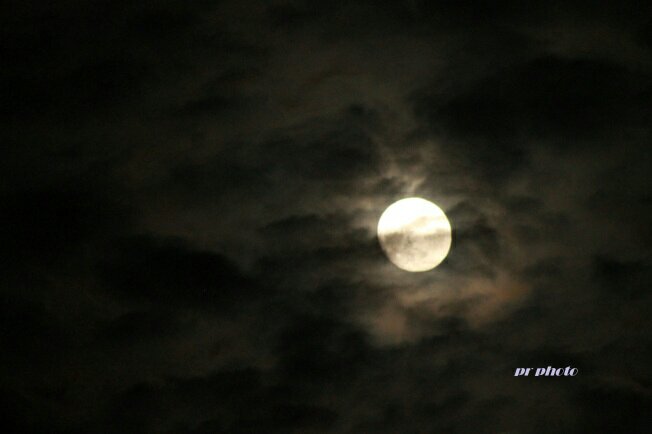
The moon pierces through the clouds, bathing the snow in a pale luminescence. I see you, kneeling before him. That sardonic smile of his never reaches those ice blue, bloodshot eyes.
Shadowy figures emerge from the glare of tower spotlights. I watch as anonymous guards dragging away your loves. I wince at that “jagged red path” left behind.
You taught me to let my prose flow like a gurgling book over time-smoothed stones. You showed me how haiku, concrete and ethereal, could complement such prose, like the aquatic dance of coy fish.
I reach out my hand, across the chasm of space and time between us. Knowing you will never grasp it.
Only my words can ever hope to do that.
bitter moon
these light-shadowed stars
for company
I first learned to love haibun by reading the work of Hortensia Anderson (1959 – 2012). Her posthumous collection of haibun, The Plenitude of Emptiness, is a treasure of haikai brilliance. Though we never met, I consider her one of my greatest writing teachers and haijin inspirations.
Over at dVerse today, per Tuesday Poetics (guest pubtended by Dora), we write about a deceased, inspirational poet or writer, .
The pub is open! Come join us!


 Frank J. Tassone
Leave a comment