
Hope you enjoyed Labor Day Weekend, haijin! Many of you celebrated the day, or the turning toward Autumn!
Congratulations to last week’s contributors!
Haikai Challenge Participants
| 1. Jules @ Strands 2. Dwight L. Roth 3. Reena Saxena 4. Ken Gierke / rivrvlogr |
5. Pat R 6. Revived Writer 7. Deepa 8. Deborah Gomez |
9. Janice 10. Von Smith 11. Frank J. Tassone 12. H�l�ne Vaillant |
Powered by… Mister Linky’s Magical Widgets.
Looking Ahead:
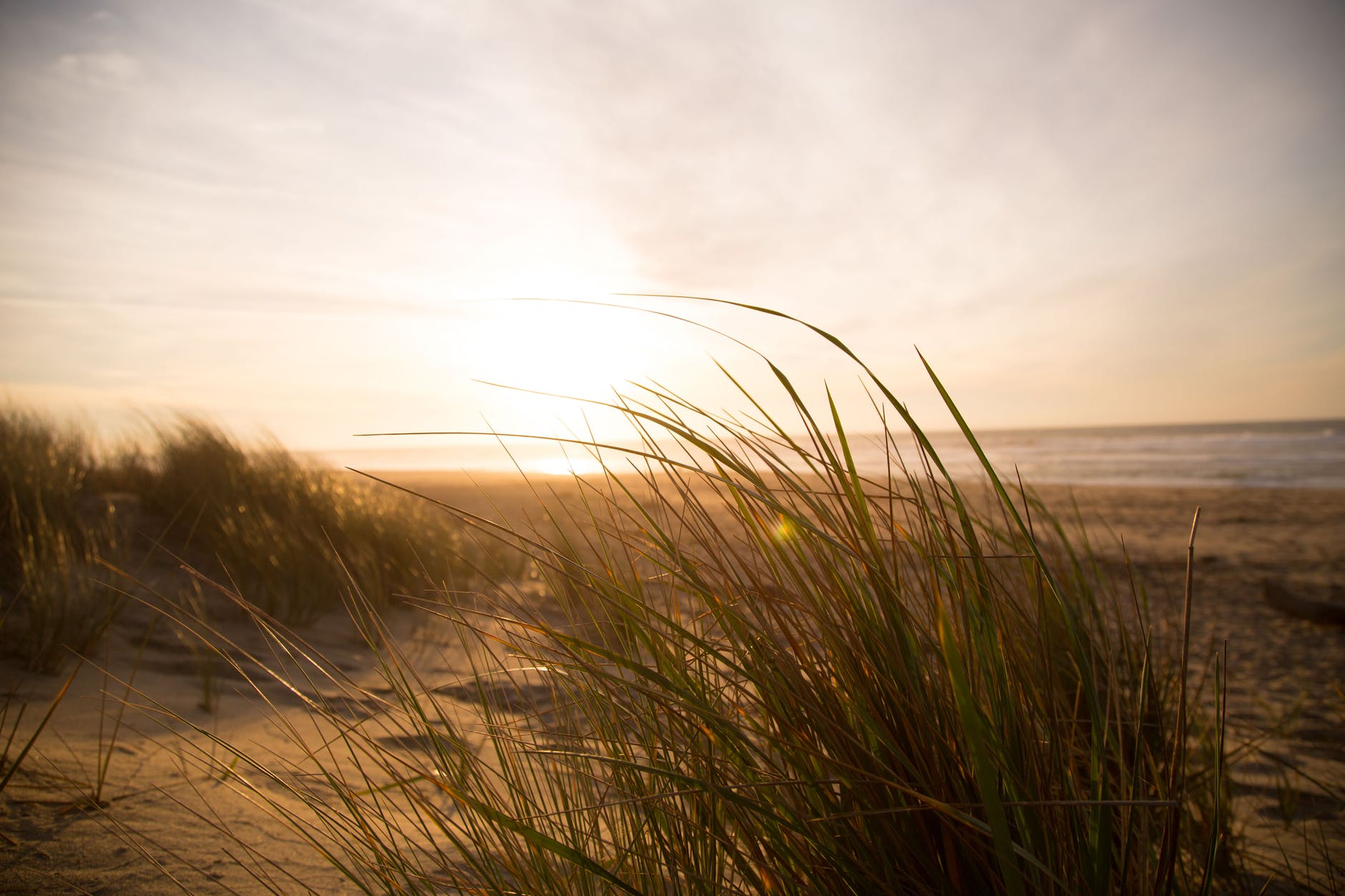
Spring and Autumn share the distinction of being seasons of transition. Whether from Hot to cold, or vice versa; these seasons feature changing temperatures, amounts of daylight, and most of all, wind.
Some wind has blown. More will come. Already, a tropical storm made landfall in the United States. Others form. Soon, leaves will flutter in the passing breezes north of the equator. Soon, seeds will fly in the wind south of it. “Any way the wind blows, doesn’t really matter…”
Whether Autumn or Spring, Rosh Hashanah returns this week:
Rosh Hashanah (Hebrew: רֹאשׁ הַשָּׁנָה), literally meaning the “beginning (also head) [of] the year” is the Jewish New Year. The biblical name for this holiday is Yom Teruah (יוֹם תְּרוּעָה), literally “day [of] shouting or blasting”. It is the first of the Jewish High Holy Days (יָמִים נוֹרָאִים Yamim Nora’im. “Days [of] Awe”) specified by Leviticus 23:23–32 which occur in the early autumn of the Northern Hemisphere.
Rosh Hashanah is a two-day celebration which begins on the first day of Tishrei, which is the first month of the Jewish civil year but the seventh month of the ecclesiastical year. It marks the beginning of the year, according to the teachings of Judaism, because it is the traditional anniversary of the creation of Adam and Eve, the first man and woman according to the Hebrew Bible, and the inauguration of humanity’s role in God’s world. According to one secular opinion, the holiday owes its timing to the beginning of the economic year in Southwest Asia and Northeast Africa, marking the start of the agricultural cycle.[2]
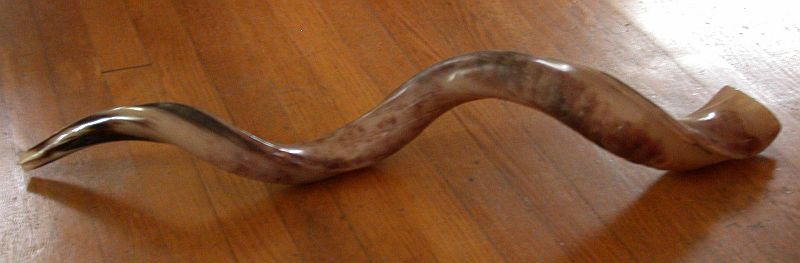
Rosh Hashanah customs include sounding the shofar (a hollowed-out ram’s horn), as prescribed in the Torah, following the prescription of the Hebrew Bible to “raise a noise” on Yom Teruah. Its rabbinical customs include attending synagogue services and reciting special liturgy about teshuva, as well as enjoying festive meals. Eating symbolic foods is now a tradition, such as apples dipped in honey, hoping to evoke a sweet new year.
This week, write your haikai poem (haiku, senryu, haibun, tanka, haiga, renga, etc.) that states or alludes to Autumn wind (aki kaze), Spring wind (haru kaze), or Rosh Hashanah.
As always:
Here’s how the challenge works:
1. write the haikai poem of your choice.
2. post the link of your post to Mister Linky.
3. pingback by posting the link to the challenge on your site.
4. read and comment on other contributors’ posts.
Paint with all the colors of the wind, haijin! And Shanah Tovah, to all celebrating Rush Hashanah!

This photo was taken by Olve Utne.


 Frank J. Tassone
Leave a reply to (s) haikai #50 prayerful prelude (solo renga – series) | Jules Longer Strands of Gems Cancel reply